The data is there—but it isn’t always usable
In her op-ed in SvD, Carolina Wachtmeister at EG highlights something we see every day in the real estate industry: for AI to create real value, it requires more than just access to large amounts of information. The information also needs to be accessible, structured, and understandable across system boundaries.
This is where many organizations get stuck.
The construction and real estate industries contain enormous amounts of valuable data—data on energy, maintenance, finances, floor space, service requests, tenants, properties, and operations. But this data is often scattered across multiple source systems, each with different terminology, structures, and definitions.
The result is that the organization has the information—but lacks the ability to fully utilize it.
When systems speak different languages, AI becomes difficult
When each system has its own language, it becomes difficult to compare, analyze, and automate. It also becomes difficult to have AI work with the data in a meaningful way.
A language model can be as powerful as you like, but if it lacks the right context, clear definitions, and a common information structure, it risks guessing rather than providing useful answers.
That’s exactly the gap we’re addressing with Homepal’s semantic layer.
A common language on top of existing systems
Instead of waiting for the industry to agree on common standards during procurement, we’ve built a ready-made, standardized information model for the real estate industry.
It was developed in collaboration with over 45 real estate companies and municipalities and serves as a common language on top of the systems that already exist.
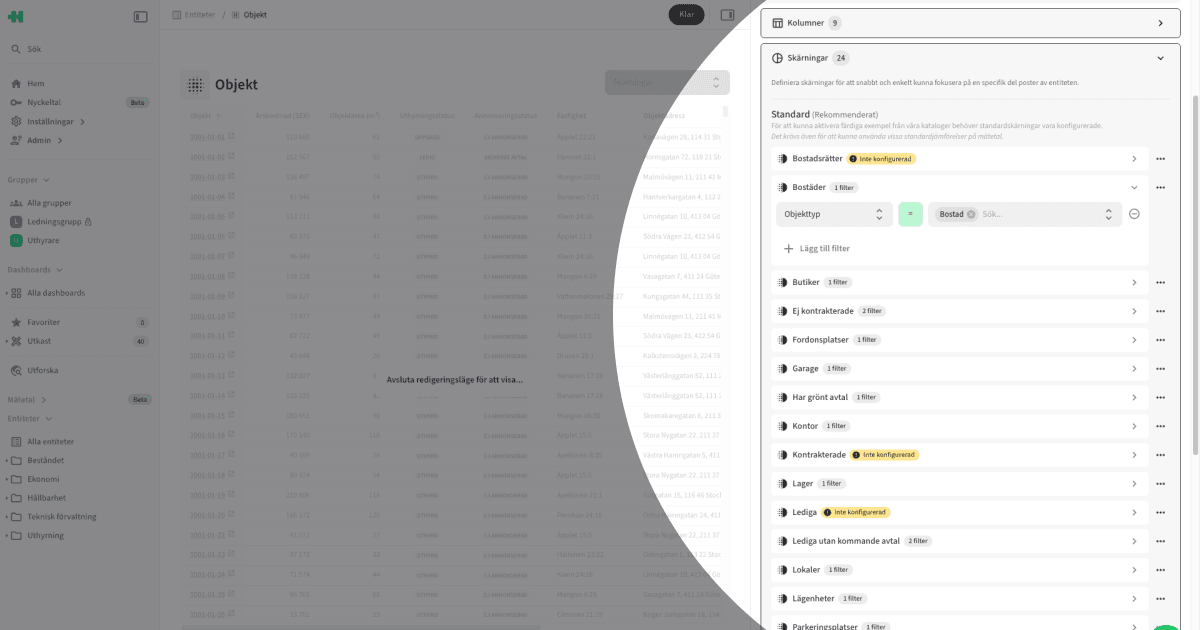
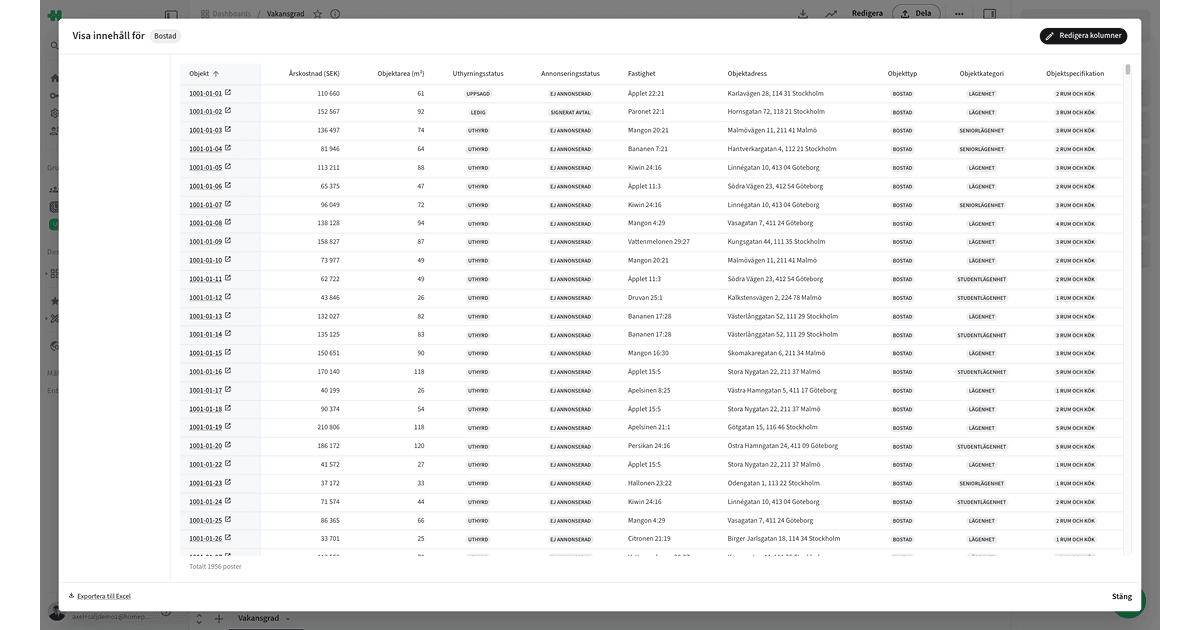
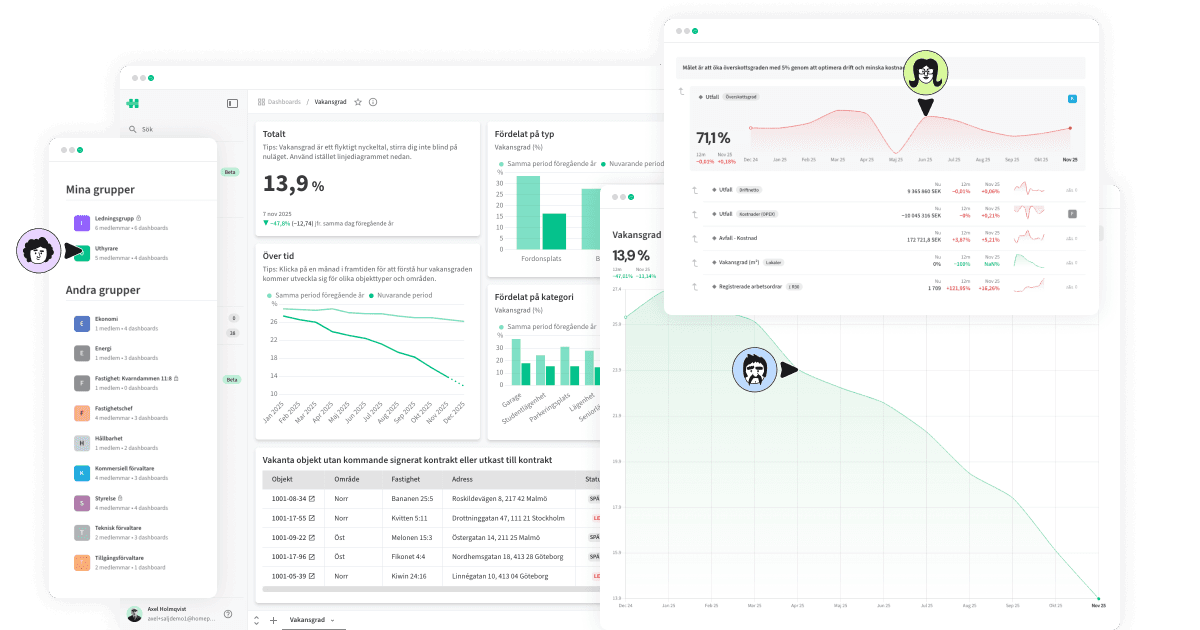
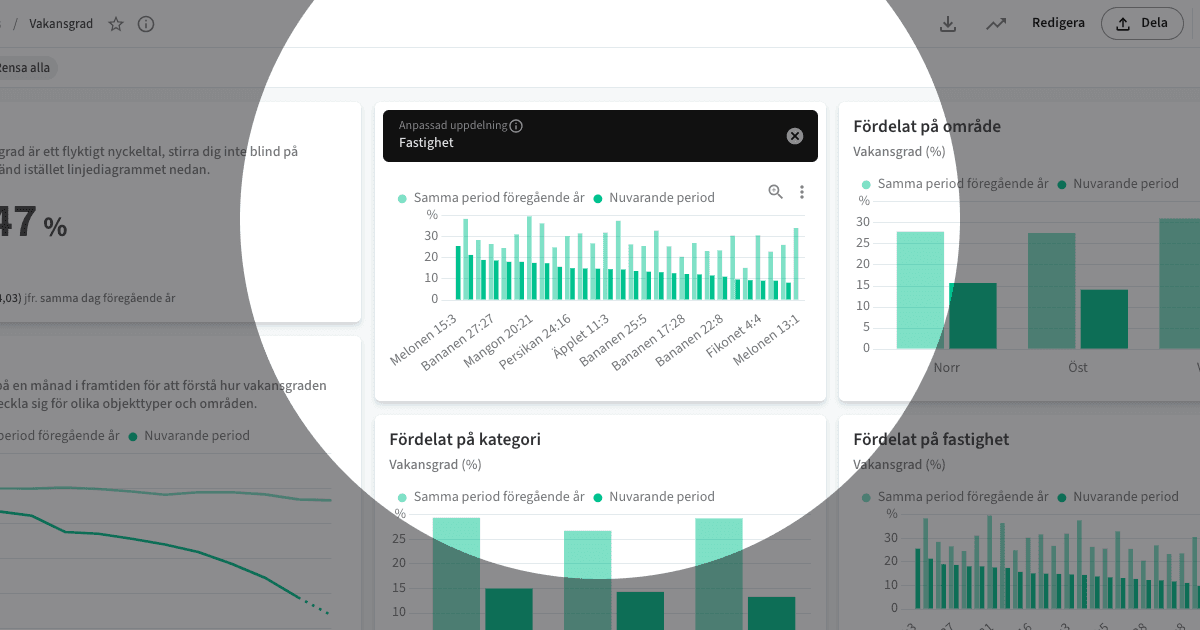
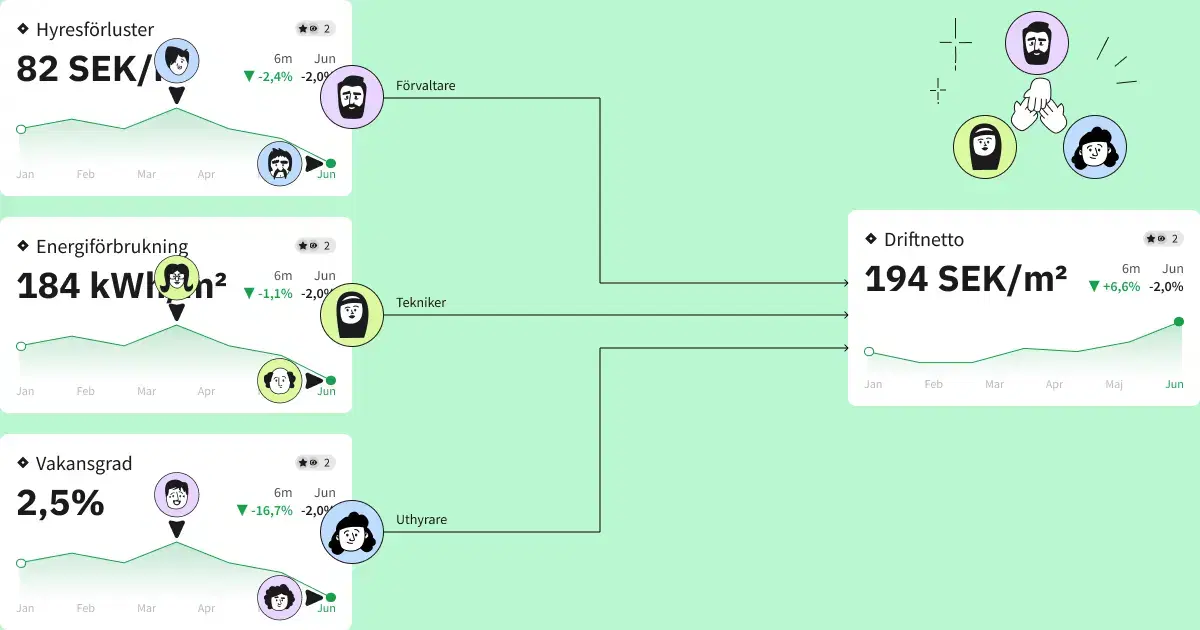
Energy, maintenance, finance, and floor space are mapped to the same concepts and entities, regardless of the underlying systems.
This means that real estate companies and municipalities can structure and compare data without replacing their existing systems. Metrics and definitions are gathered in one place, so the organization avoids conflicting figures across different reports. And the data is AI-ready from the start, since the model provides language models with the right context to work with.
Don’t wait for the entire industry to reach an agreement
We fully agree that interoperability should be a requirement in procurement processes. It’s an important issue for the entire industry. But property owners and municipalities that want to move forward with their data and AI strategy don’t need to wait for everyone else to reach an agreement first.
There’s already a faster way: adopting a proven information model instead of building everything from scratch. Because an AI strategy doesn’t start with AI. It starts with making data understandable, comparable, and usable.
Learn more about how our semantic layer works here
Want to discuss this further? Contact us.